What are microgreens?
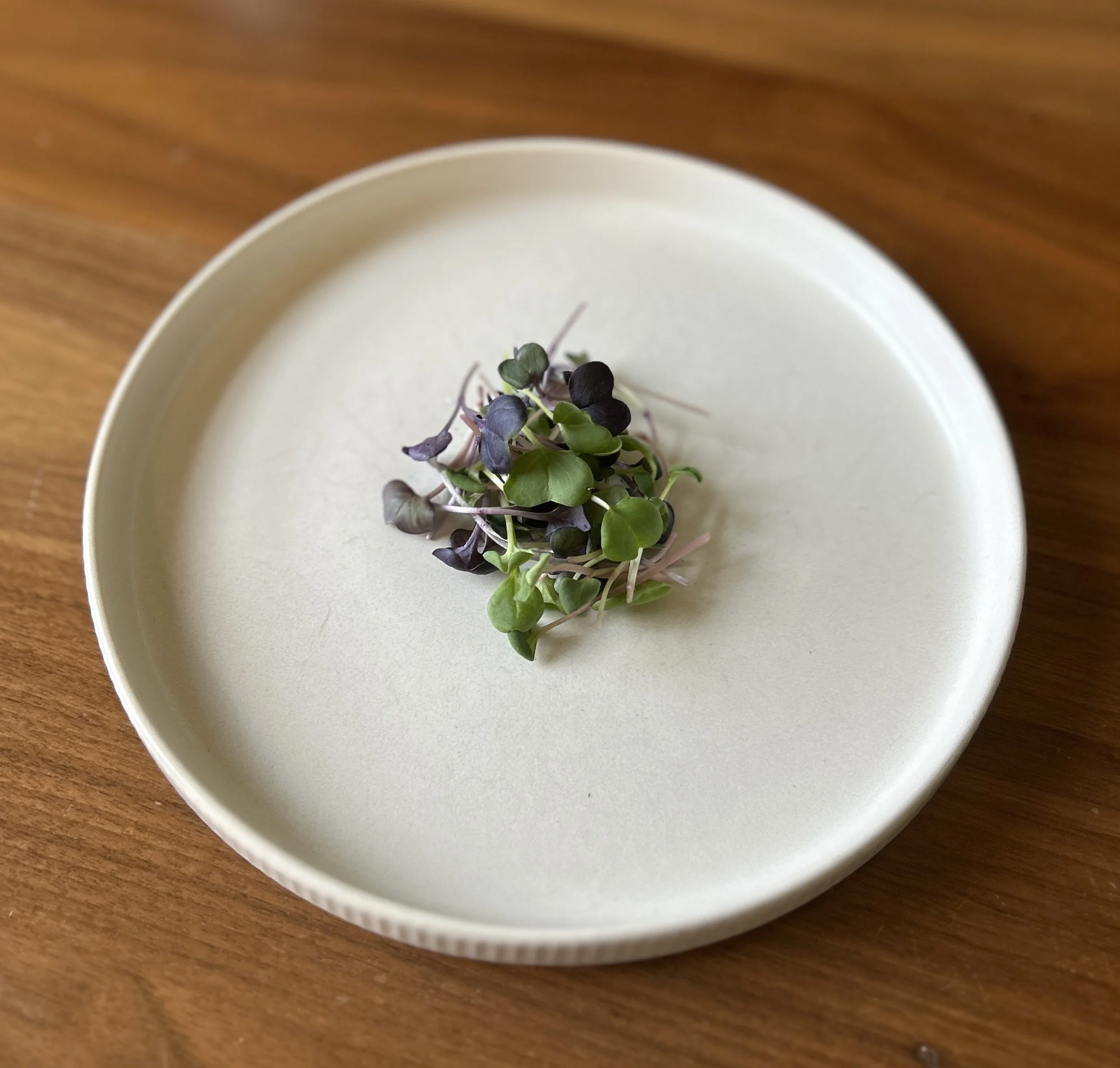
Microgreens are young, edible plants harvested early, typically 7-21 days after germination. They include vegetables and herbs we consume on a daily basis, yet are immature. This immature growth stage makes them small and flavorful, often with more intense flavor than their mature plant. They also contain higher nutrient concentrations of vitamins and antioxidants, packing both a flavorful and nutritious punch.
From seed to harvest
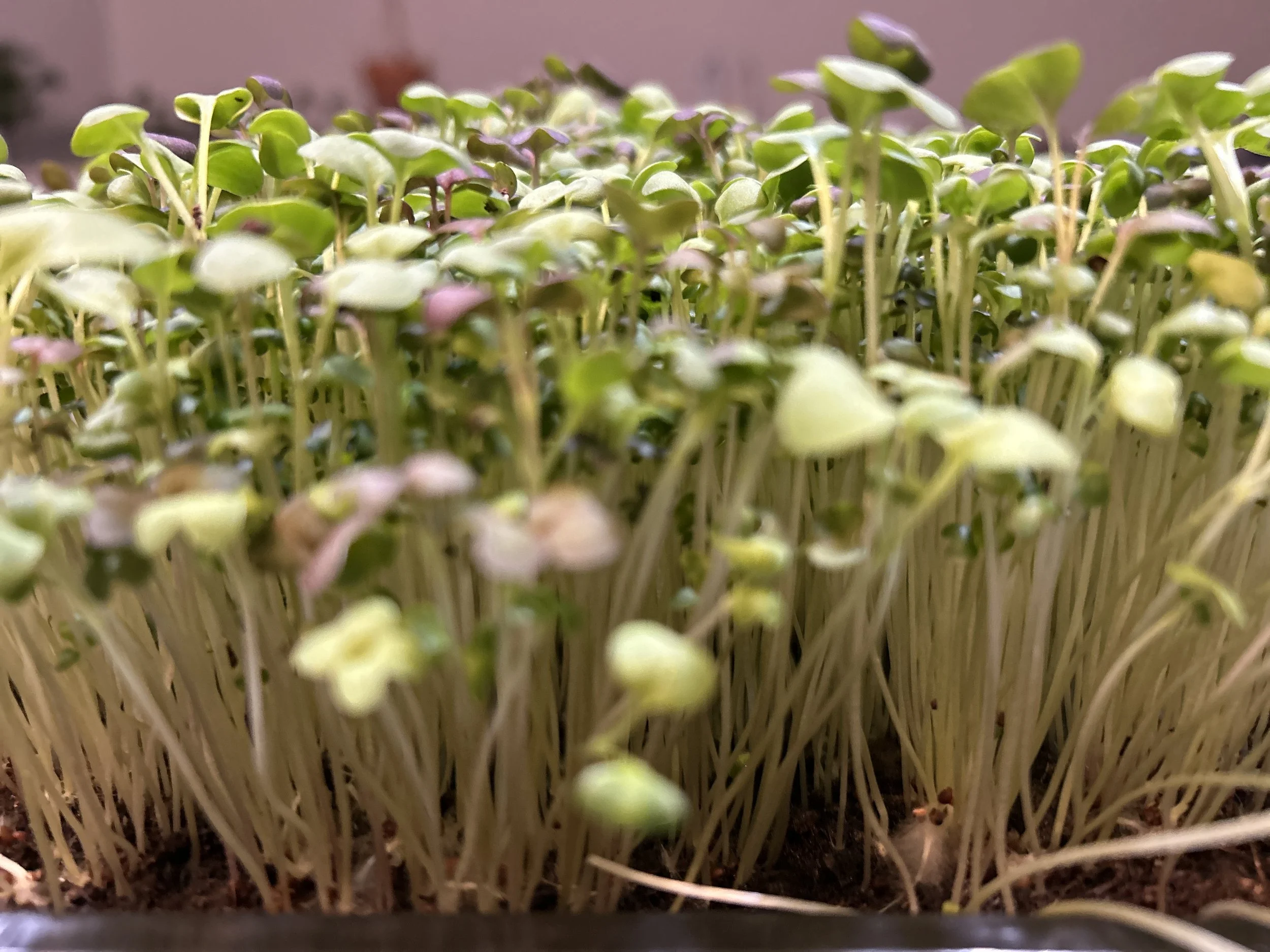
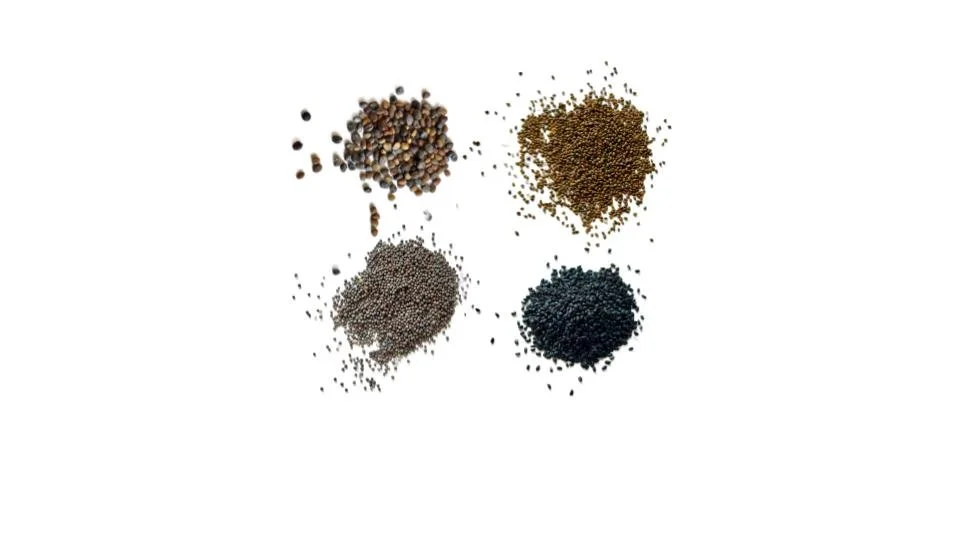
The journey of microgreens begins with high-quality seeds, which are sown densely in a shallow growing medium such as soil or a specialized substrate. After planting, seeds are typically kept in a dark, humid environment for a short germination period to encourage strong, uniform sprouting. Once the seedlings emerge, they are introduced to light, where they begin photosynthesis and develop their signature color and flavor.
Within one to three weeks, depending on the variety, microgreens reach their ideal harvest stage. At this point, they have formed cotyledons (seed leaves) and sometimes their first true leaves. Growers harvest microgreens by cutting them just above the growing medium, leaving the roots behind. This quick growth cycle makes microgreens an efficient and sustainable crop, adding nutrition, flavor, and beauty to your diet.
How are microgreens used?
Microgreens are valued for their versatility and visual appeal as much as their taste. Their concentrated flavors range from mild and sweet to bold and peppery, depending on the variety. They are commonly used fresh as a finishing element in dishes, adding both flavor and texture.
In the kitchen, microgreens can enhance salads, sandwiches, wraps, and grain bowls, or serve as a vibrant garnish for soups, meats, and seafood. They are also increasingly used in smoothies and juices for a nutritional boost. Whether used as a subtle accent or a central ingredient, microgreens offer a simple way to elevate both the presentation and nutritional profile of a wide range of dishes.